Reasons Your OB/GYN May Recommend an Ultrasound
Women's Health and Menopause Center Ultrasound

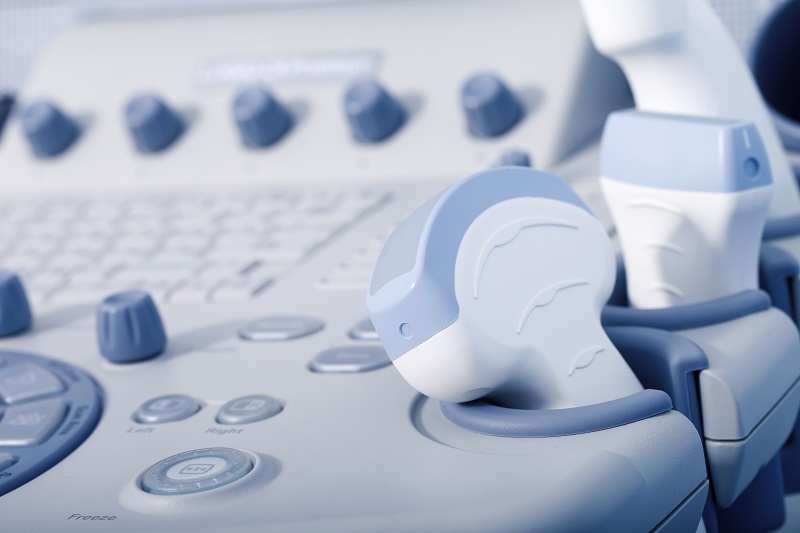
An ultrasound is a medical procedure that’s used to diagnose internal health conditions. The process is similar to sonar and radar. A device is used to pass high-frequency sound waves through the body. This produces images of structures. A doctor can view tissues, organs, and blood vessels without doing anything intrusive.

Why Do I Need an Ultrasound?

There are a number of reasons why your doctor may recommend an ultrasound. They include:

  • Pregnancy – An ultrasound allows your doctor to see your uterus and ovaries to ensure that the fetus is healthy and developing properly.
  • Checking a Breast Lump – An ultrasound can show if a lump is solid or liquid filled to determine if it is a cyst, non-cancerous, or tissue.
  • Diagnosing Cancer – Ultrasounds provide a clearer image than an x-ray and may be used as an initial step in diagnosing cancer. They cannot determine if a tumor is cancer, but can provide a better perspective.
  • Evaluate Blood Flow – An ultrasound may be used to find blockages in veins and arteries.
  • Guiding Needle for Biopsy or Amniocentesis – Ultrasounds are used to guide the needle directly to a tumor for biopsy or away from the baby during an amniocentesis.

Getting Ready for Your Ultrasound

An ultrasound usually requires no special preparation. Your doctor will advise you if you need to avoid eating or drinking beforehand. Some types, like a pelvis exam, may require a full bladder. Your obstetrician may ask you to drink six glasses of water a couple of hours before your visit. Contact your Women’s Health OB/GYN for an appointment.

Similar Posts

  • What Is a Menstrual Cup?

    A menstrual cup is a small and flexible cup designed for women during menstruation. One of the reasons that a menstrual cup has gained traction recently is due to the fact that it is considered eco-friendly compared to other alternatives, such as tampons. This is due to the fact that tampons tend to end up…

  • Blossom Through Menopause With Spring Nutrition

    As spring blossoms, menopausal women can seize the season for health renewal. Learn about nutrition tips to support overall well-being during menopause and how the Women’s Health and Menopause Center serves as a dedicated partner, offering specialized care to guide women on their journey to optimal health. Embracing Seasonal Nutrition: Fresh Fruits and Vegetables: Spring…

  • Addressing Hormonal and Relational Shifts Openly

    Introduction Hormonal changes affect more than just your body—they impact your relationships, communication, and emotional well-being. Whether you’re in your 30s managing PMS or navigating menopause in your 50s, it’s time we talk openly about how hormones shape our interactions—and how to support both yourself and your relationships. Hormonal Changes and Emotional Health Shifting levels…

  • COVID-19 SCREENING & PROTOCOLS

    Your health and safety is of the utmost importance to us. Our current screening and protocols that are currently in place have been implemented for the well-being of our patients and staff. We understand the uncertainty of some of our patients. Please know that we actively monitor the changes from the Centers for Disease Control…

  • Laparoscopy

    A laparoscopy is a procedure used by doctors to diagnose and treat endometriosis, ectopic pregnancy, and pelvic inflammatory disease. The surgery is minimally invasive and requires small incisions in the abdomen. After the incision, carbon dioxide is injected into the abdomen to expand the area. This steps helps the doctor view the area more easily….

  • Should I Douche?

    Approximately one in five U.S. women between the ages of 15 and 44 douche. Douche is a French word that means “soak” or “wash.” In the United States, it refers to using a mixture of water and other fluids to clean out the vagina. Commercially produced douches usually contain fragrances and antiseptics. The Benefits of…