Urinary Incontinence As You Age
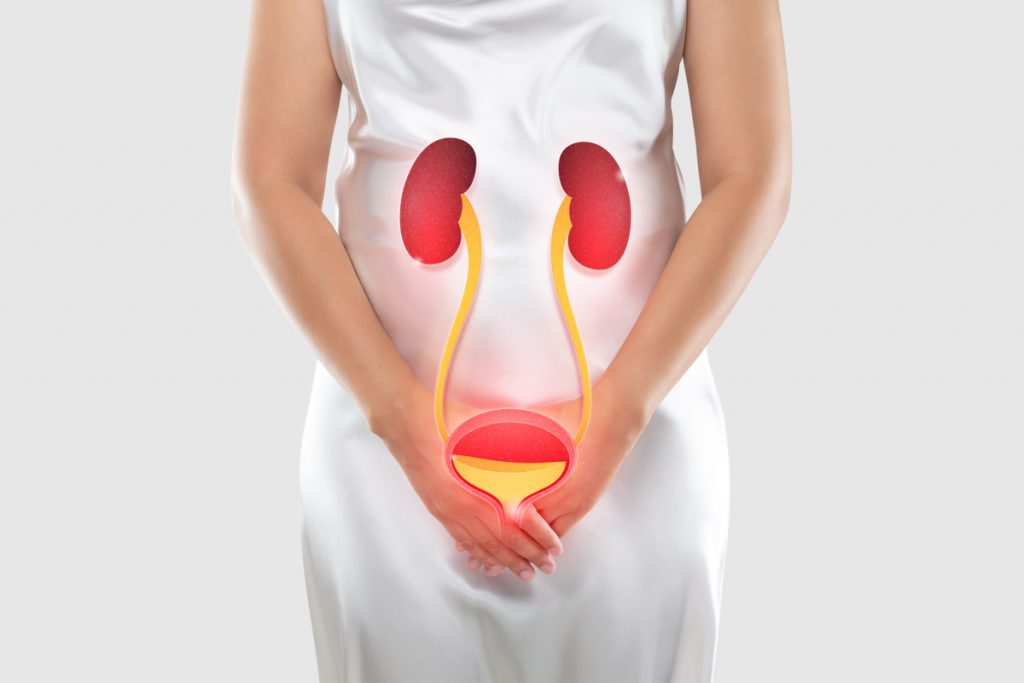
Urinary incontinence, also known as overactive bladder, is when a person leaks urine by accident and experiences an urgent and frequent need to visit the bathroom. In older people, it affects more women than men.
Urinary incontinence can happen for many reasons. However, aging can be a major cause in older adults. Age-related causes include:
- Weak or loose bladder or pelvic muscles
- Overactive bladder muscles
- Damage to nerves that control the bladder from age-related diseases such as diabetes, multiple sclerosis, and Parkinson’s disease
- Declining neurological sensation and responses
- Enlarged prostate gland in men
- Pelvic organ prolapse
- Disease conditions that affect how fast they get to the bathroom, such as arthritis, obesity, etc.
Types of urinary incontinence
There are different types of incontinence:
Urge incontinence: sudden, pressing need to pass urine. It is seen in people with Alzheimer’s disease, diabetes, multiple sclerosis, stroke, and Parkinson’s disease.
Frequency: urinating more than eight times a day or more than once at night.
Stress Incontinence: urine leaks due to pressure from exercise, laughing, coughing, or sneezing.
Overflow Incontinence: urine leaks in a constant dribble when the bladder is full due to bladder outlet obstruction, enlarged prostate gland, spinal cord injuries, and diabetes.
Functional Incontinence: “disability-associated” incontinence, where older people with normal bladder control cannot get to the toilet in time or successfully. It can be due to arthritis or dementia.
Treatment
Older people with urinary incontinence should see their doctor. Treatment depends on the type, cause, and patient’s lifestyle. Usually, a combination of treatments is employed to treat urinary incontinence.
Treatment options include:
- Pelvic muscles exercise (Kegel)
- Bladder control training
- Timed voiding
- Urgency suppression
- Medications
- Catheters
- Biofeedback
- Electrical nerve stimulation
- Surgery
- Lifestyle changes such as eliminating alcohol, coffee, tea, and sodas, losing weight, quitting smoking
- Avoiding lifting weights
- Preventing constipation