Can Eating Peanut Butter During Pregnancy Make Your Baby Allergic?
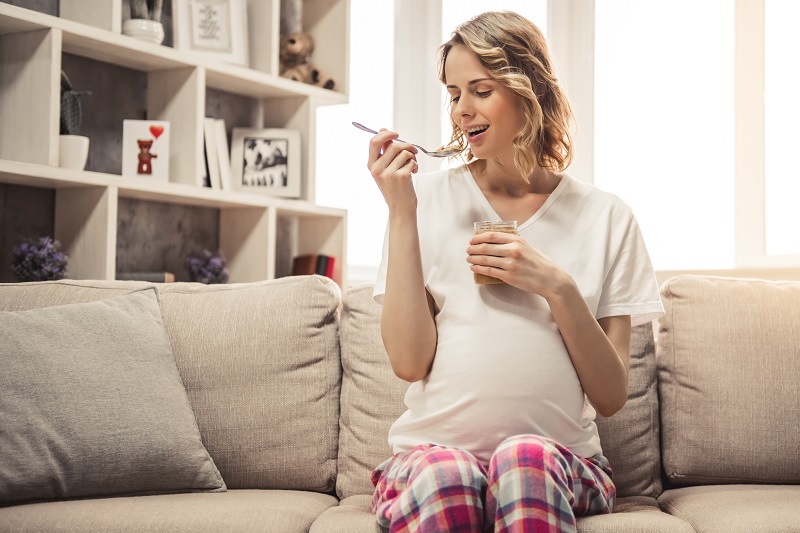
During a pregnancy, you may be sensitive to the food that you eat and the way that your body is reacting to the pregnancy. You may be afraid that eating certain foods can cause an allergy with your baby. However, you don’t have to worry about peanut butter. It is safe to eat during a pregnancy as long as you yourself are not allergic. About 1.4% of children in North America have an allergy to peanuts and tree nuts.
In fact, it used to be believed that this was a real issue, and that eating peanut butter could potentially lead to the baby having a peanut butter allergy. Science and technology has determined that this isn’t the case, which is one of the reasons why the American Academy of Pediatrics withdrew this claim over a decade ago.
In fact, new studies have concluded that eating peanut butter during a pregnancy may actually reduce the chances of your baby developing a peanut butter allergy. This is good news when you consider that peanut butter is high in antioxidants, and may also decrease the risk of birth defects thanks to folate. Peanuts are also a great source of protein!
There are plenty of foods that you should not eat while you are pregnant, and for different reasons. Please speak to your obstetrician about prenatal vitamins, foods to eat and foods to avoid. If you are pregnant or are thinking of starting a family, contact Women’s Health in West Bloomfield, Michigan today.