How Do I Get Rid of These Annoying Hemorrhoids?!
Womens Health Hemorrhoids

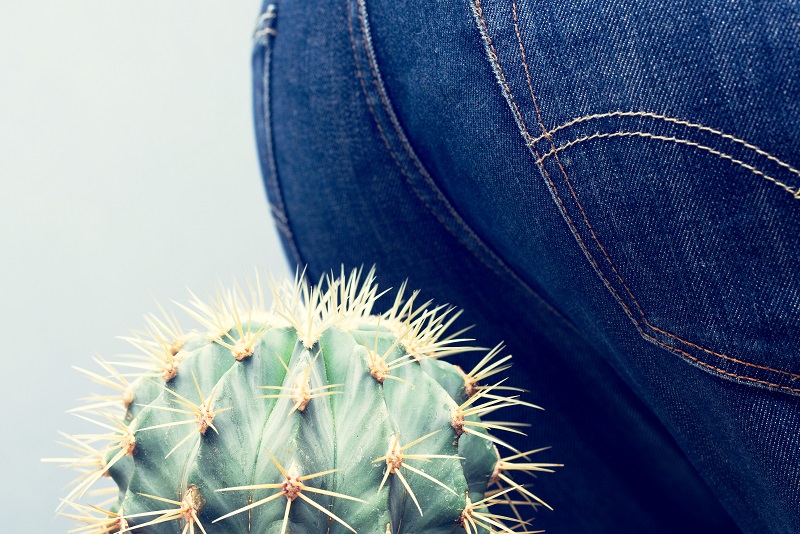
We get it. No one wants to talk about things going on in the rear.

Hemorrhoids fall at the top of the list of topics you would never bring up in a casual conversation. However, we need to know how to deal with these kinds of problems. Sometimes, you have to look for answers, and that may mean asking some embarrassing questions.

First, it’s important to understand what hemorrhoids are and how they happen. When veins in the rectum or anus swell, they can begin to protrude. This can lead to bleeding and discomfort. It’s a very common condition, especially for women who have just given birth.

Straining due to constipation during or after pregnancy can cause hemorrhoids. Other causes include lengthy periods of sitting on a toilet, obesity, anal intercourse, heavy lifting, and low-fiber diets.

That’s Great. Now, What Can I Do to Stop Hemorrhoids?

Most of the time, you can stop hemorrhoids on your own without help from a doctor. A warm bath or sitz bath can provide relief. Other options include applying Preparation H or witch hazel pads.

Even though this is a common medical condition, you should still monitor it closely and seek advice when needed. It’s rare, but some women require surgery to take care of the problem. If you have questions or develop hemorrhoids that don’t seem to go away, talk to your OB/GYN.

It may seem embarrassing, but that’s part of our job. You are not the only patient to discuss this kind of problem, and you won’t be the last. Give Women’s Health a call today to schedule an appointment and find a way to get rid of those pesky hemorrhoids!
Similar Posts

  • Sexual Health in Menopause

    Menopause is a natural phase that marks the end of a woman’s reproductive years. While it brings significant hormonal changes, it is also accompanied by various physical and emotional transformations that can impact sexual health. Many women experience changes in libido, vaginal dryness, and discomfort during intercourse, leading to concerns about intimacy and sexuality. We…

  • Menopuase and Healthy Eating

    During the menopause years, some women experience adding a few more pounds than they had before menopause. Shira Gordiner, D.O., says, “this may have more to do with the decreased amount of activity than changing hormones. However, it’s always a good idea to discuss with your doctor to make sure hormones are properly balanced.” There…

  • Managing Heavy Periods Without Surgery

    Understanding Heavy Menstrual Bleeding Heavy menstrual bleeding, also called abnormal uterine bleeding, affects many women during their reproductive years and into perimenopause. If your period lasts longer than seven days, causes fatigue from blood loss, or interferes with daily life, it’s important to seek evaluation from a trusted OB/GYN. Fortunately, many women manage heavy periods…

  • Hormone Replacement Therapy

    Hormone Replacement Therapy aims to replace the estrogen your body loses during menopause. The treatment is effective in treating menopause symptoms. Options for treatment include strictly estrogen or estrogen with progestin based on your needs. The treatment uses Bioidentical hormones, medical hormones that are an exact match to those made by humans. We encourage our…