
Pelvic Floor Disorders and Their Causes
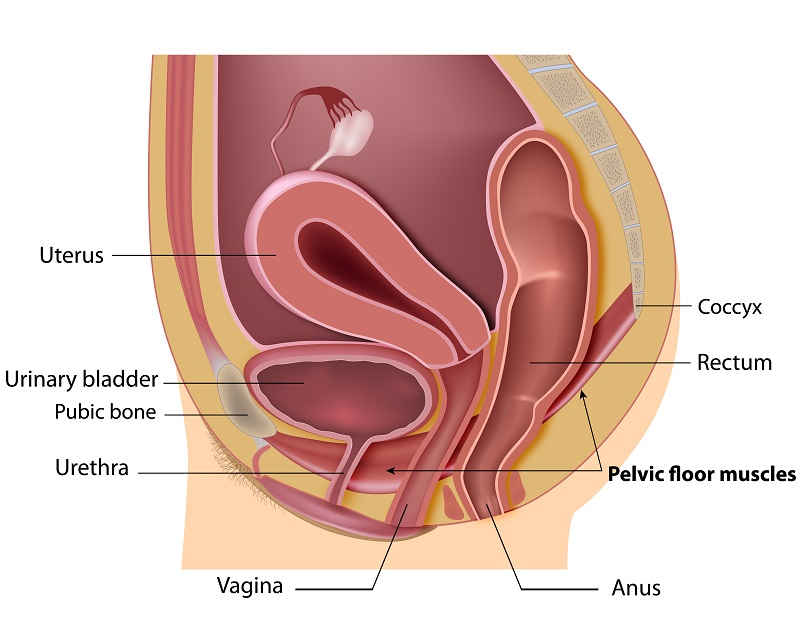
Pelvic floor disorder (PFD) is a term used to describe a group of medical conditions. They can be found in the ligaments, connective tissue, and muscles located in the lowest region of the pelvis. This area is vital because it provides support for important organs like the bladder, bowel, rectum, vagina, and uterus.
Causes of Pelvic Floor Disorders
A PFD can develop if the pelvic muscles are weakened or if tears form in connective tissues. Damage can prevent the pelvic floor from working effectively and providing support internal organs need. As the condition worsens, it can cause functional problems in the organs it supports.
Who Is at Risk for Pelvic Floor Disorders?
A number of factors can raise the risk of developing a PFD. It can be genetic, with some women born with weaker pelvic floor muscles. Caucasian women are more likely to develop related issues as well as Mexican American women. Your risk may increase if you are:
- Overweight
- Don’t eat enough fiber
- Don’t drink enough water
- Smoke
- Lift heavy objects
- Give birth to a child
- Experiencing menopause
- Aging
Other health problems can cause PFDs. Chronic straining and constipation, pelvic injury or surgery, sexual dysfunction, chronic coughing, lung conditions, and emotional stress can play a role and should be closely monitored.
Strengthening the Pelvic Floor
Some patients prevent or alleviate PFDs by strengthening the pelvic floor. This can be done using Kegel exercises every day. There are two types you should do: short contractions and long contractions. Talk to your Women’s Health and Menopause Center gynecologist to learn more
#WomensHealthandMenopauseCenter #WHMC #PelvicFloorDisorders #KegelExercises